OctreoScan Liver Uptake: Somatostatin Receptors
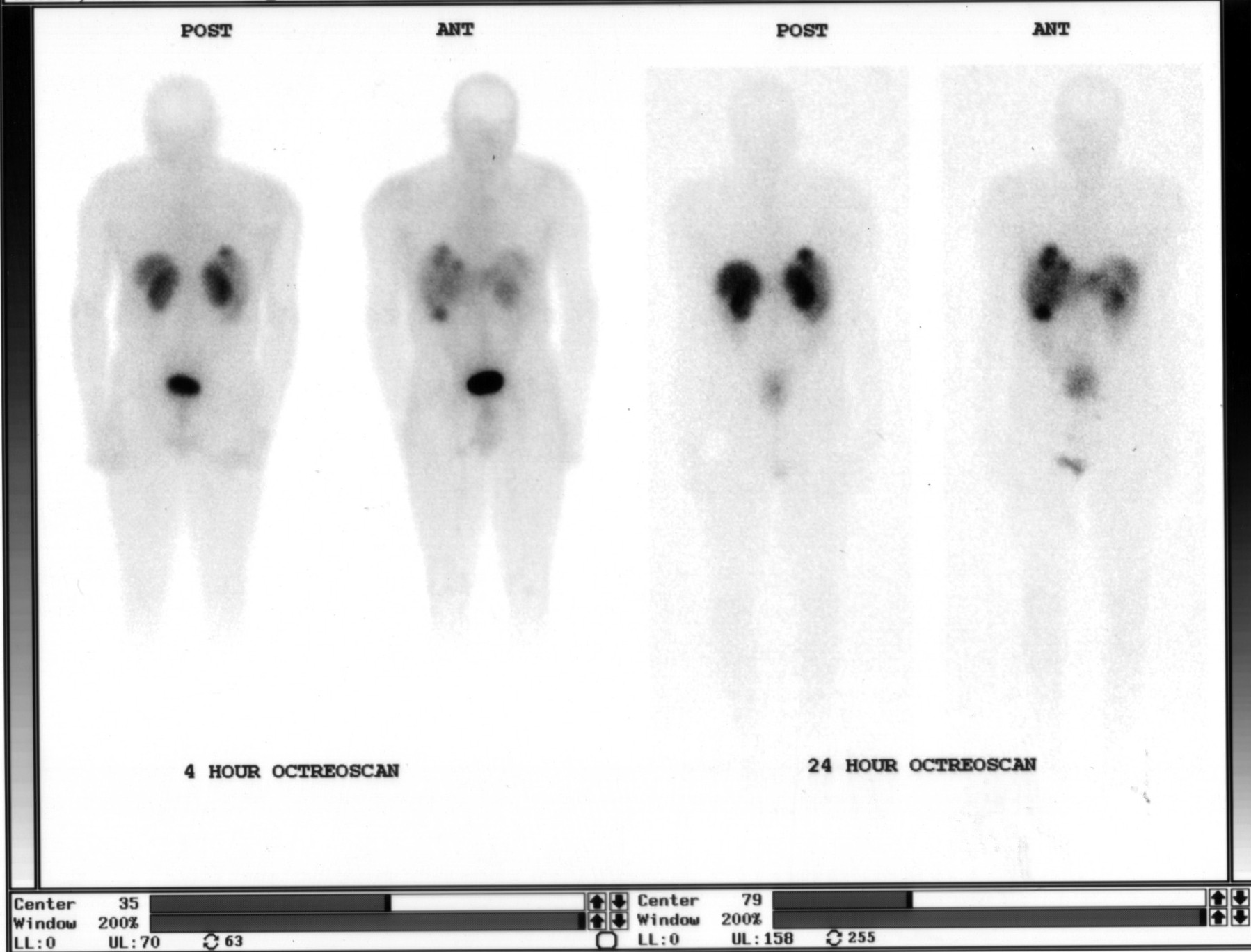
Provided clinical image
Question
On this Octreoscan, focal uptake is seen in the liver at both 4 and 24 hours. What receptor does In-111 pentetreotide bind to, allowing it to accumulate in these lesions?
- ASomatostatin receptors, which are overexpressed on the surface of most neuroendocrine tumors such as carcinoid and islet cell tumors
- BDopamine D2 receptors, which are expressed at high levels in neuroendocrine tumors due to their shared neural crest cell origin
- CEpidermal growth factor receptors, which are upregulated in rapidly dividing neuroendocrine tumor cells throughout the liver and abdomen
- DAdrenergic receptors, similar to the mechanism used by MIBG, since both agents target tumors derived from the autonomic nervous system
Show the answer and explanation
A. Somatostatin receptors, which are overexpressed on the surface of most neuroendocrine tumors such as carcinoid and islet cell tumors
In-111 pentetreotide (Octreoscan) is a radiolabeled somatostatin analogue that binds to somatostatin receptors (particularly subtypes 2 and 5), which are overexpressed on the surface of most neuroendocrine tumors. This receptor-targeting mechanism makes the Octreoscan highly sensitive for detecting carcinoid tumors, gastrinomas, VIPomas, and other NETs.
More pet and oncology images
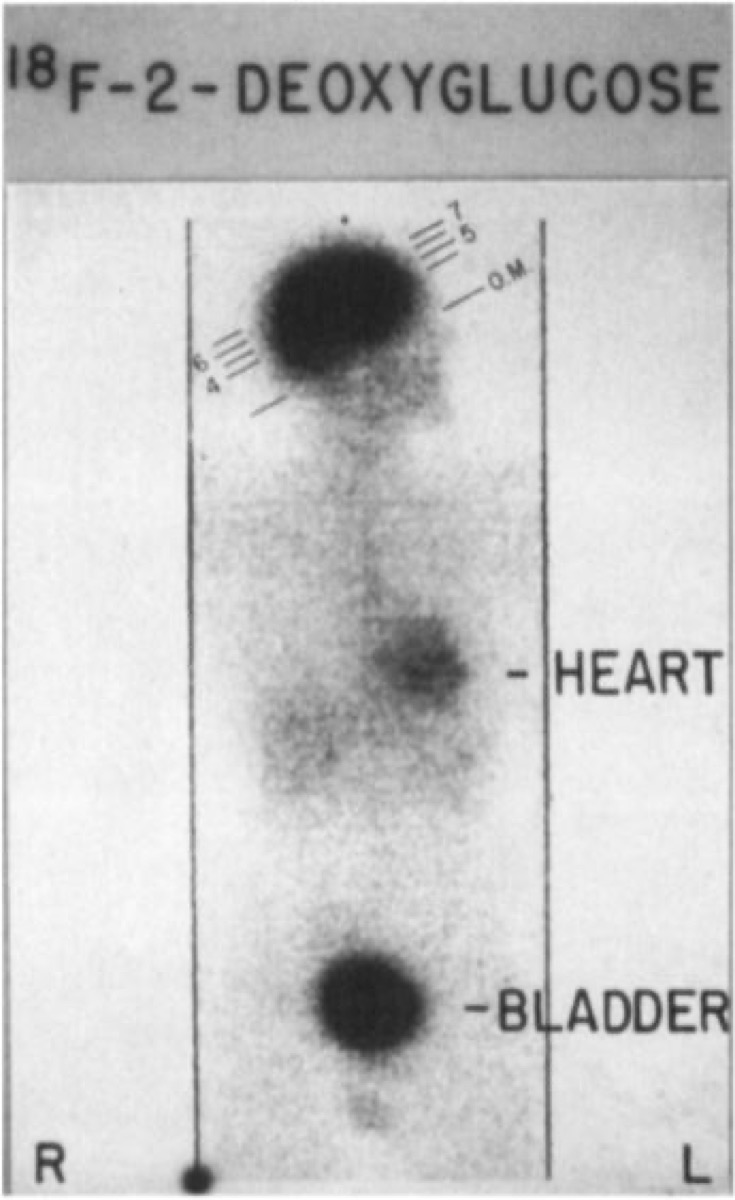 Normal FDG PET Biodistribution
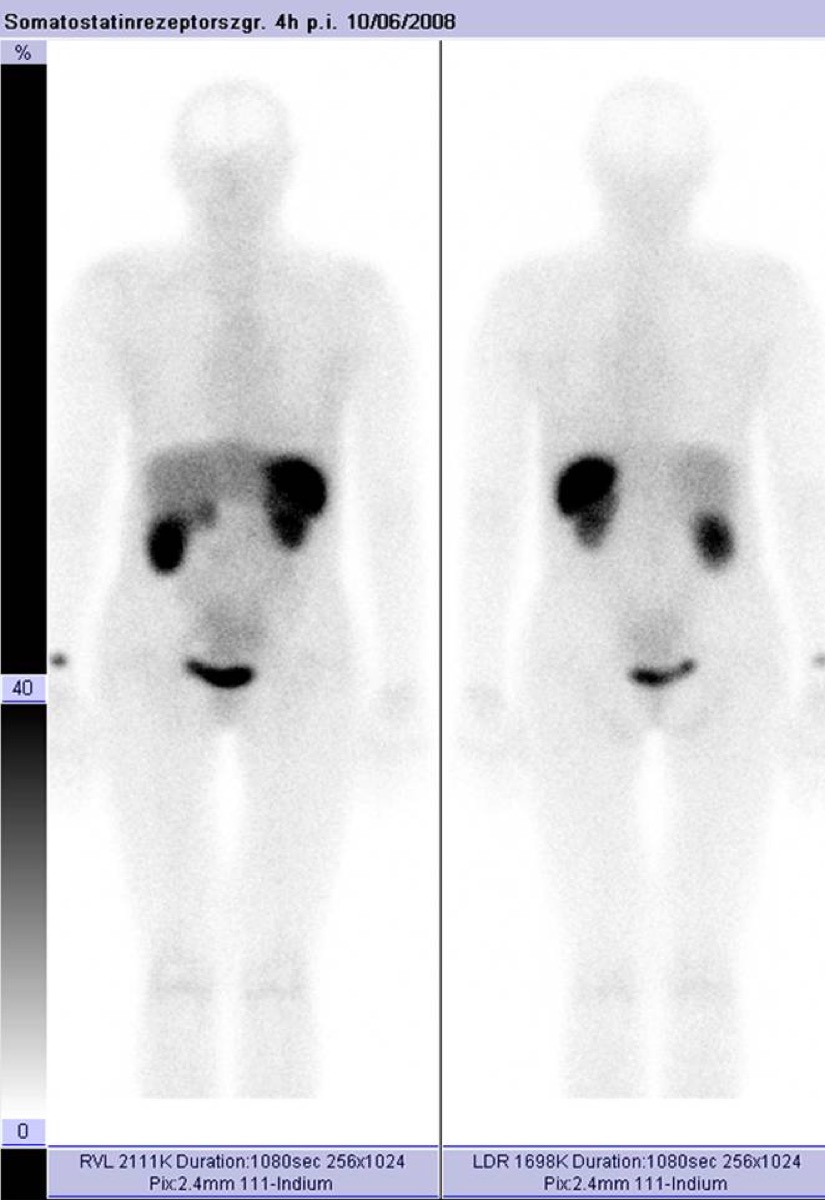 OctreoScan (In-111 Octreotide): How It Localizes
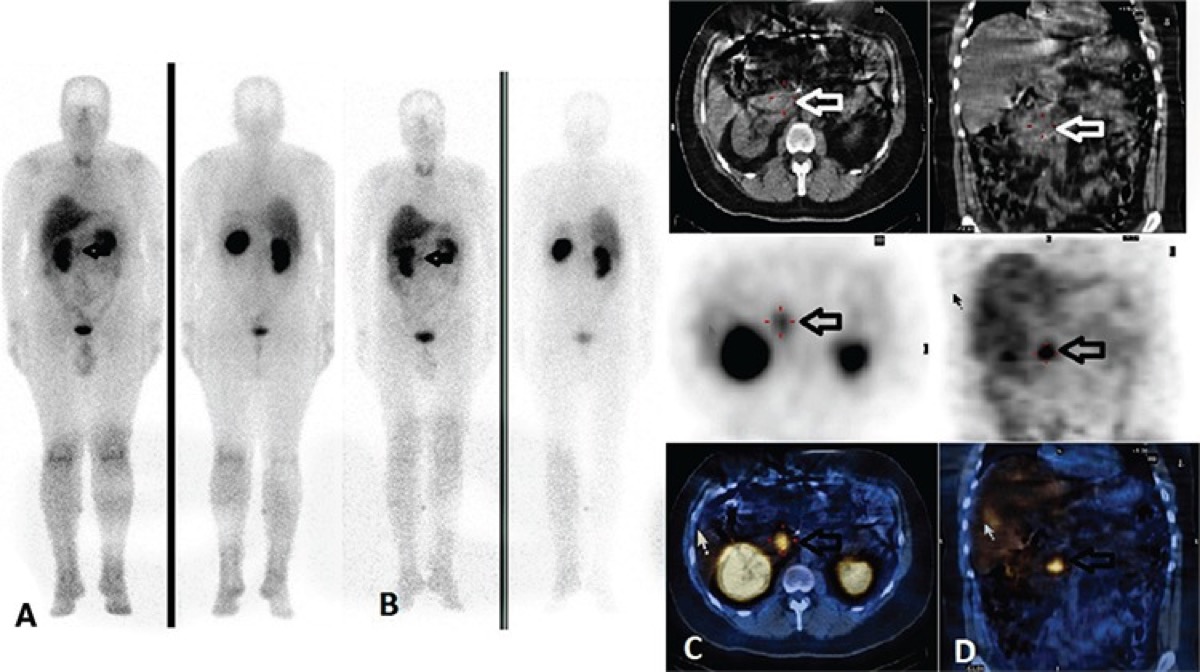 I-123 MIBG Uptake Mechanism in Pheochromocytoma
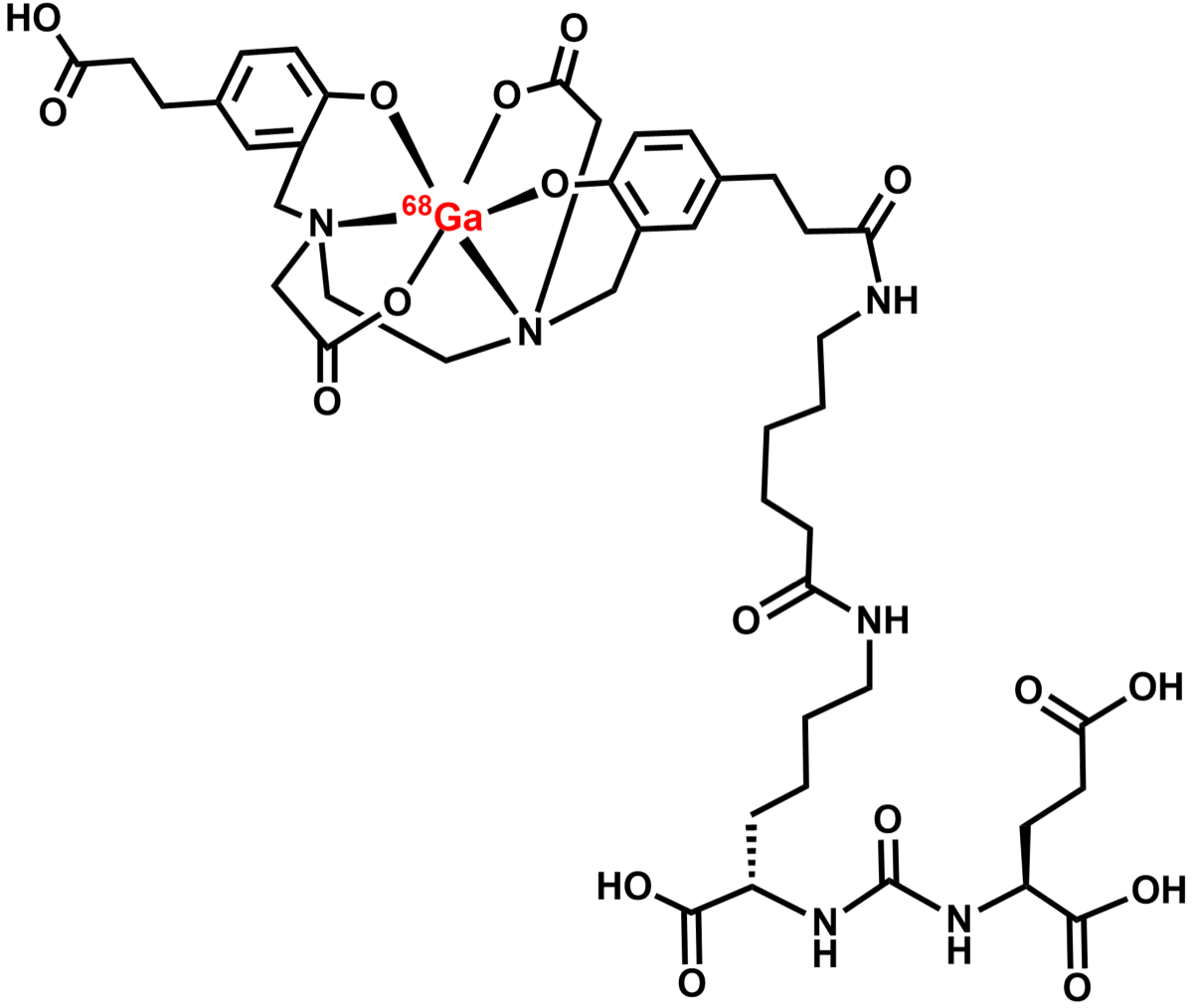 Ga-68 PSMA PET/CT in Prostate Cancer
Ga-68 DOTATATE PET vs OctreoScan for Neuroendocrine Tumors
Deauville Score 1–2: Complete Metabolic Response
All 130 nuclear medicine images by category →
Practise image interpretation in the app
All 130 images as an interactive quiz, alongside 500 NMTCB and ARRT(N) questions with worked explanations, case studies and timed mock exams. 25 questions are free, no card and no account.