MIBG Scan for Neuroblastoma Staging
CC BY 4.0 · Wikimedia Commons · source file
Question
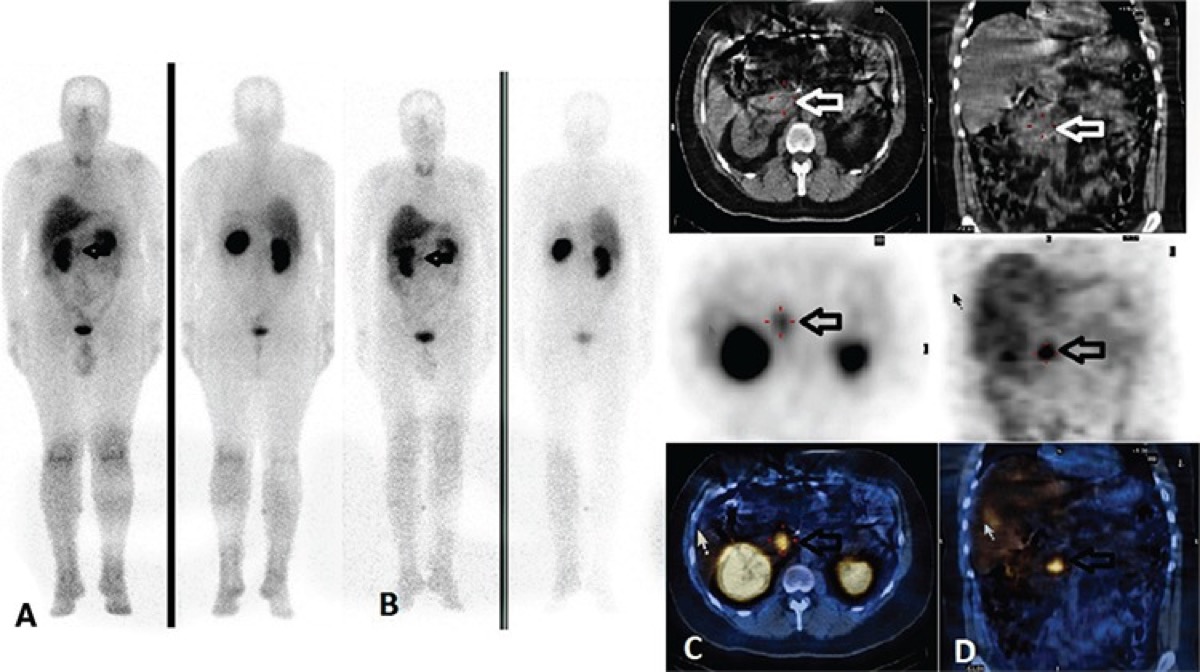
I-123 MIBG scan is the standard staging tool for neuroblastoma in children. Why is MIBG scintigraphy particularly important in neuroblastoma management?
- AMIBG scan measures urine catecholamines directly
- BMIBG staging of neuroblastoma determines extent of disease (number and distribution of metastases), guides risk stratification, and identifies patients who are candidates for I-131 MIBG targeted therapy
- CMIBG scan can cure neuroblastoma without chemotherapy
- DMIBG is used only for adult neuroendocrine tumors, not pediatric neuroblastoma
Show the answer and explanation
B. MIBG staging of neuroblastoma determines extent of disease (number and distribution of metastases), guides risk stratification, and identifies patients who are candidates for I-131 MIBG targeted therapy
MIBG scintigraphy is fundamental in neuroblastoma management: (1) STAGING — approximately 90% of neuroblastomas are MIBG-avid; whole-body MIBG scan demonstrates extent of metastatic disease (bone, bone marrow, liver, lymph nodes) better than CT alone; (2) RISK STRATIFICATION — extent of MIBG disease is incorporated into INRG risk grouping (international neuroblastoma staging); (3) THERAPY SELECTION — MIBG-avid tumors qualify for I-131 MIBG targeted radionuclide therapy (Azedra), which delivers concentrated radiation to tumor sites; (4) RESPONSE ASSESSMENT — MIBG score changes after therapy reflect treatment response. Ga-68 DOTATATE PET/CT is complementary but MIBG remains central to neuroblastoma management.
More pet and oncology images
 Lu-177 DOTATATE Therapy for Neuroendocrine Tumors
Paraganglioma: Ga-68 DOTATATE PET vs MIBG
Medications to Stop Before an MIBG Scan
Carcinoid Tumor on Somatostatin Receptor Imaging
 OctreoScan: Why Delayed 24-Hour Images
OctreoScan Liver Uptake: Somatostatin Receptors
All 130 nuclear medicine images by category →
Practise image interpretation in the app
All 130 images as an interactive quiz, alongside 500 NMTCB and ARRT(N) questions with worked explanations, case studies and timed mock exams. 25 questions are free, no card and no account.