Lu-177 DOTATATE Therapy for Neuroendocrine Tumors
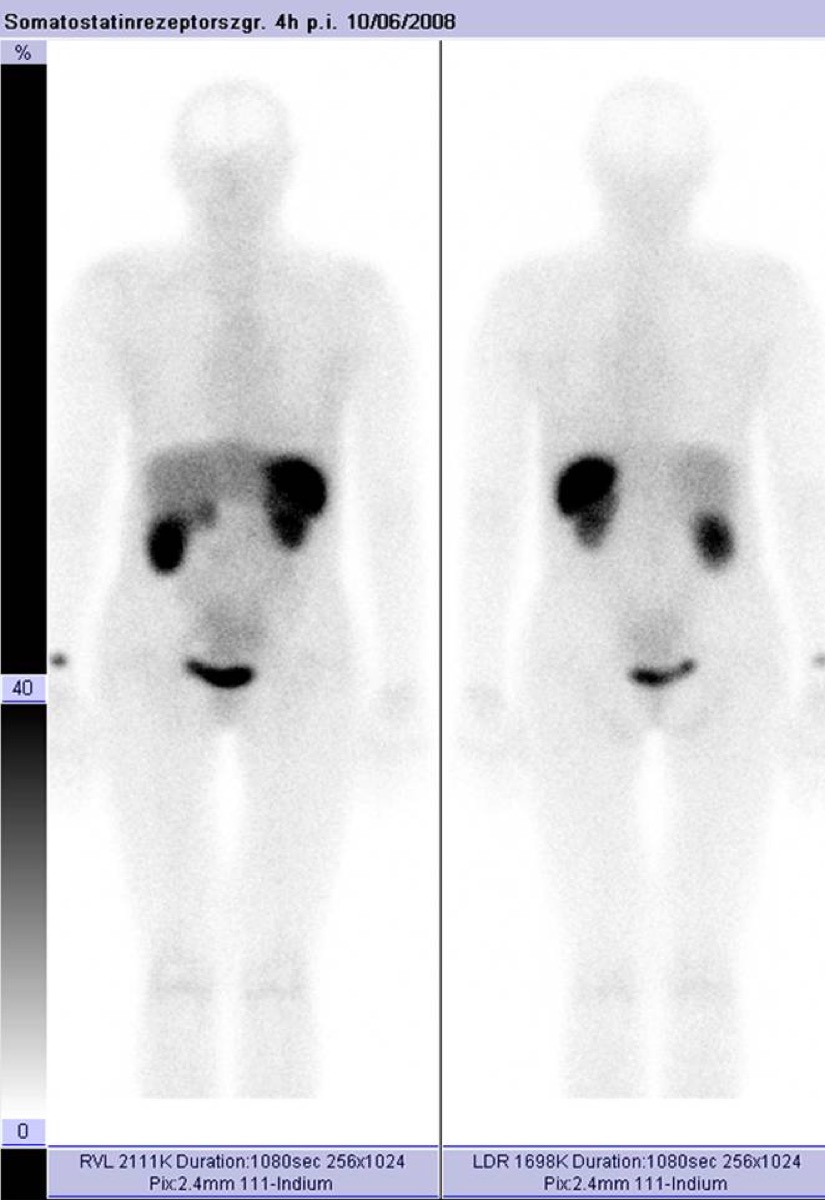
CC BY-SA 3.0 · Wikimedia Commons · source file
Question
A patient with metastatic gastroenteropancreatic neuroendocrine tumor (GEP-NET) has a Ga-68 DOTATATE PET/CT showing high somatostatin receptor expression throughout metastatic disease. The oncologist considers peptide receptor radionuclide therapy (PRRT) with Lu-177 DOTATATE (Lutathera). What is the MECHANISM of Lu-177 DOTATATE therapy?
- ALu-177 DOTATATE is a chemotherapy agent that kills cells by DNA alkylation
- BLu-177 DOTATATE activates apoptosis by binding surface growth factor receptors
- CLu-177 DOTATATE is a monoclonal antibody that targets SSTR2
- DLu-177 DOTATATE delivers targeted beta-radiation to SSTR2-expressing NET cells; the DOTATATE carrier binds somatostatin receptors, and the Lu-177 beta emitter delivers local cytotoxic radiation
Show the answer and explanation
D. Lu-177 DOTATATE delivers targeted beta-radiation to SSTR2-expressing NET cells; the DOTATATE carrier binds somatostatin receptors, and the Lu-177 beta emitter delivers local cytotoxic radiation
Lu-177 DOTATATE (Lutathera) is a PRRT (peptide receptor radionuclide therapy) that uses the somatostatin analogue DOTATATE as a targeting vector to deliver the beta-emitting radionuclide Lu-177 directly to NET cells overexpressing SSTR2. Lu-177 emits beta particles (range 2 mm in tissue) that cause double-strand DNA breaks and local cytotoxic radiation in SSTR2-positive tumor cells and neighboring cells (crossfire effect). The NETTER-1 trial showed significantly improved progression-free survival and objective response rates compared to high-dose octreotide. PRRT eligibility requires demonstrated adequate somatostatin receptor expression on Ga-68 DOTATATE PET/CT.
More pet and oncology images
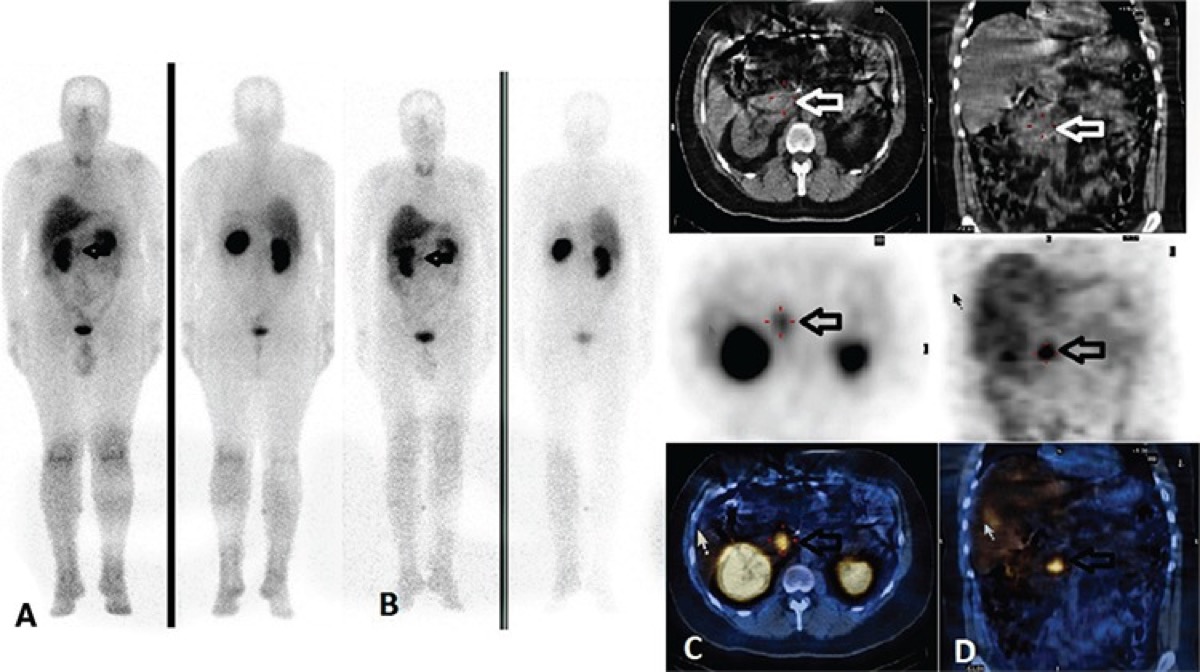 Paraganglioma: Ga-68 DOTATATE PET vs MIBG
Medications to Stop Before an MIBG Scan
Carcinoid Tumor on Somatostatin Receptor Imaging
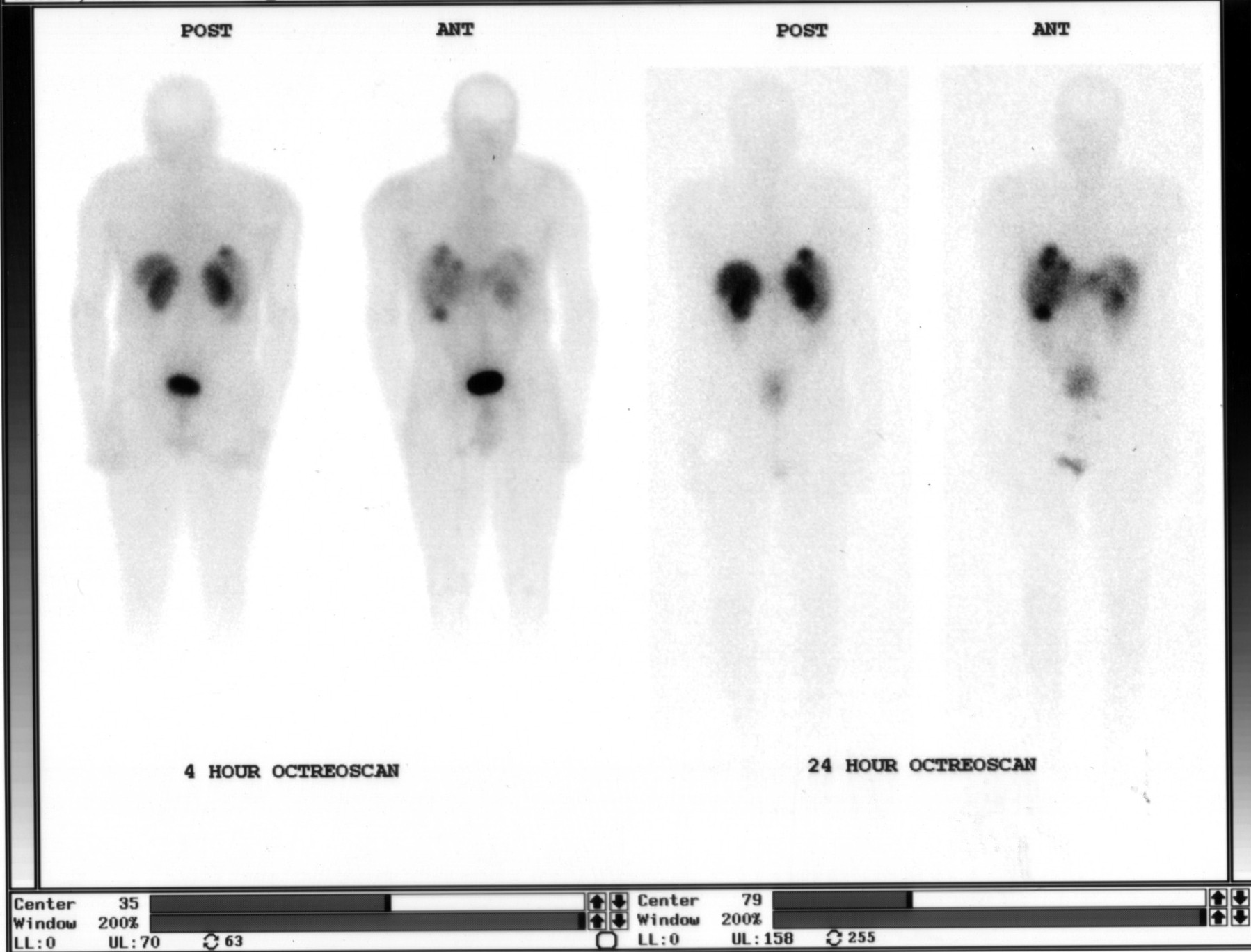 OctreoScan: Why Delayed 24-Hour Images
OctreoScan Liver Uptake: Somatostatin Receptors
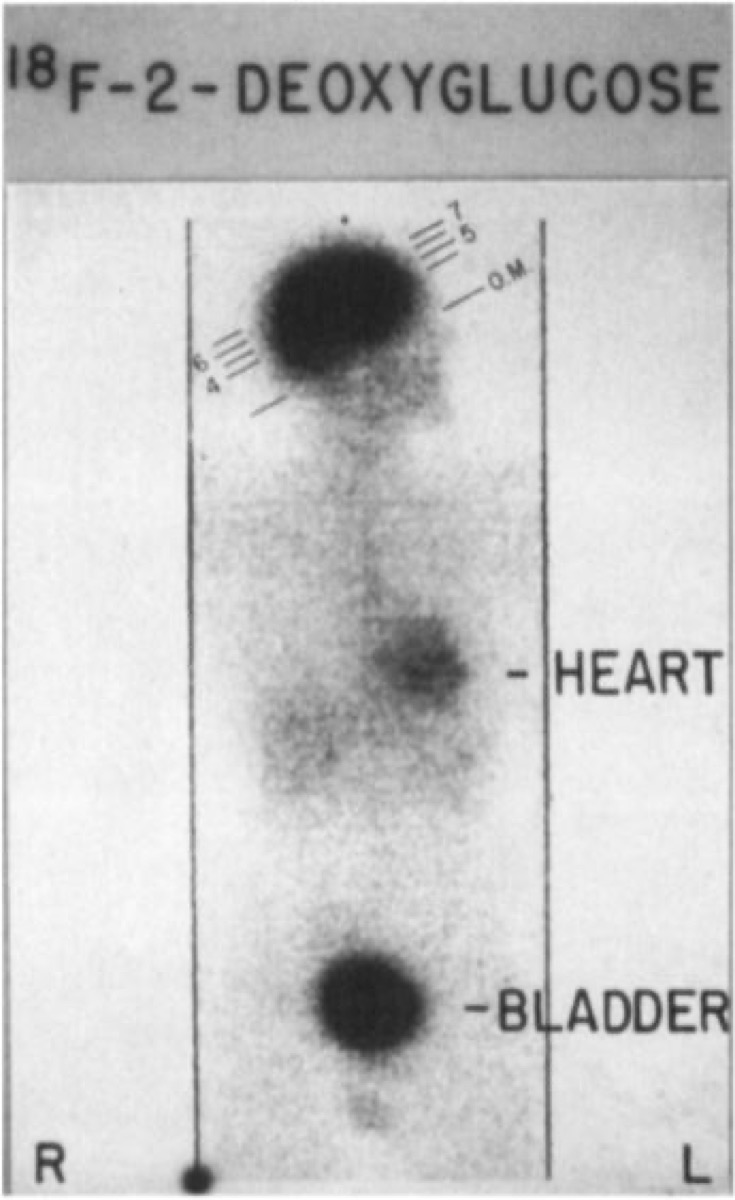 Normal FDG PET Biodistribution
All 130 nuclear medicine images by category →
Practise image interpretation in the app
All 130 images as an interactive quiz, alongside 500 NMTCB and ARRT(N) questions with worked explanations, case studies and timed mock exams. 25 questions are free, no card and no account.