FDG PET/CT Staging of Non-Small Cell Lung Cancer
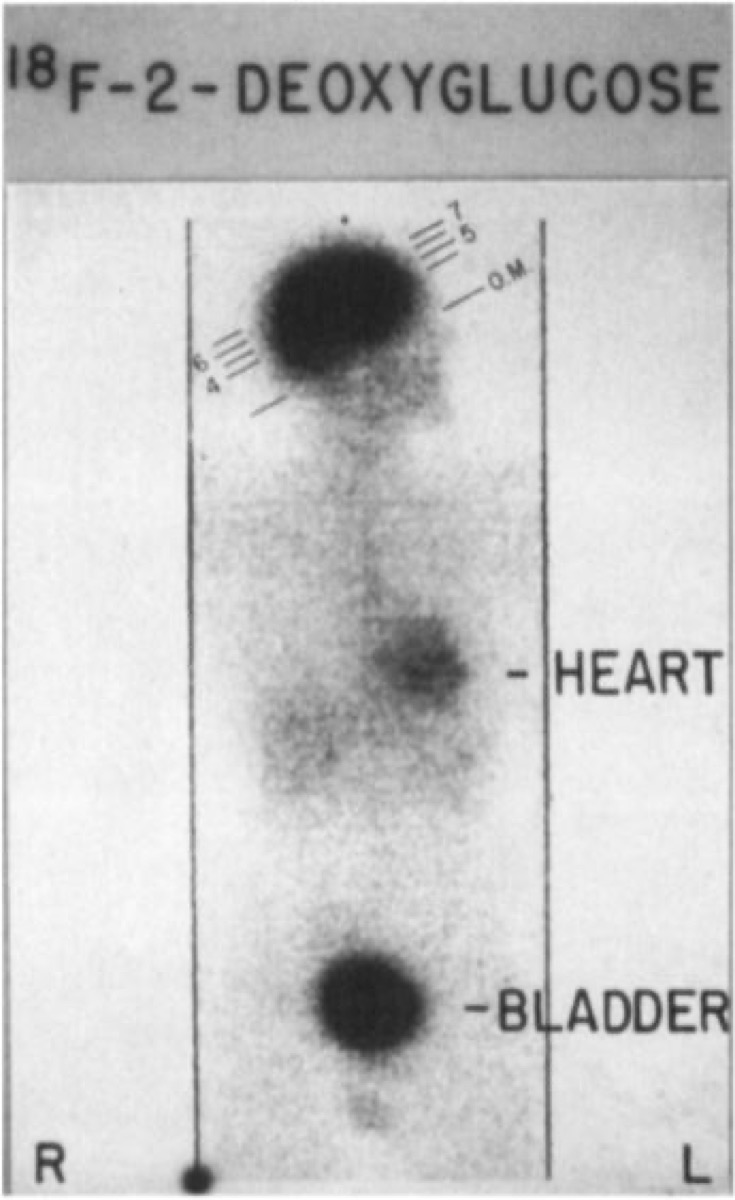
CC BY-SA 4.0 · Pennradiology / Wikimedia Commons · source file
Question
A patient with a 3 cm right upper lobe lung mass (biopsy-proven adenocarcinoma) undergoes FDG PET/CT for staging. The scan reveals unexpected FDG-avid contralateral mediastinal lymph nodes and a right adrenal FDG-avid lesion. How does this PET/CT result affect staging and management?
- ANo change — PET/CT does not affect NSCLC management
- BThe patient should proceed to immediate surgical resection
- CThe adrenal lesion alone changes staging but not treatment
- DPET/CT upstages the patient from potentially resectable (stage II) to likely unresectable (stage IIIB/IV), avoiding futile surgery and redirecting to systemic therapy
Show the answer and explanation
D. PET/CT upstages the patient from potentially resectable (stage II) to likely unresectable (stage IIIB/IV), avoiding futile surgery and redirecting to systemic therapy
FDG PET/CT dramatically impacts NSCLC staging management. Contralateral mediastinal nodal involvement (N3) and adrenal metastasis (M1b) found on PET upstages a patient from potentially resectable early/locally advanced disease to unresectable stage IIIB-IV. This avoids futile thoracic surgery and redirects treatment to appropriate systemic therapy (immunotherapy, chemotherapy, targeted therapy based on molecular markers). PET/CT upstages approximately 20–30% and downstages approximately 5% of NSCLC patients compared to CT alone. Per guidelines, FDG PET/CT is standard of care for NSCLC staging before planned curative-intent surgery.
More pet and oncology images
Brown Fat Uptake on FDG PET
F-18 Half-Life and Decay Mode
PET Coincidence Detection of 511 keV Photons
 MIBG Scan for Neuroblastoma Staging
 Lu-177 DOTATATE Therapy for Neuroendocrine Tumors
Paraganglioma: Ga-68 DOTATATE PET vs MIBG
All 130 nuclear medicine images by category →
Practise image interpretation in the app
All 130 images as an interactive quiz, alongside 500 NMTCB and ARRT(N) questions with worked explanations, case studies and timed mock exams. 25 questions are free, no card and no account.